
What Renting and Buying Will Mean in 2026: The Choice That’s Secretly Dictating Investment Futures
For as long as there have been renters and homeowners, there has been a debate as to which is better, but now, as of 2026,, this debate comes with a significance that has never been associated with it before. This is no longer a matter of personal choice, it’s a crossroads that could affect security. As costs continue to escalate and uncertainty continues to become a fact of life, people are taking a good, hard look at the truth about renting and buying.
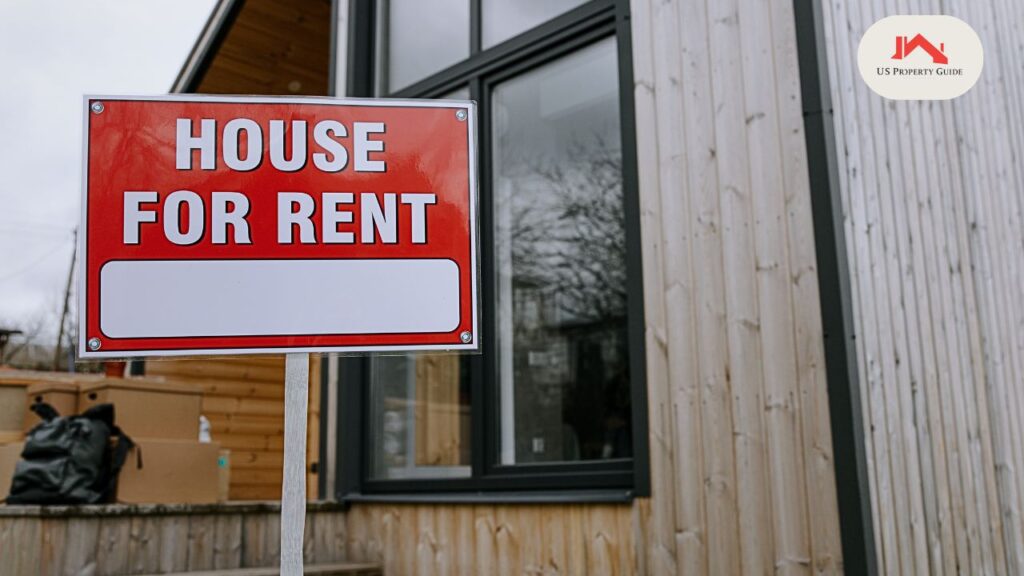
Leasing was viewed as the smart alternative due to its flexibility. It allowed people the freedom to relocate without any hassles and minimal investment. For years, this reasoning made all the more sense. Unfortunately, the new leasing environment that exists today has turned out to be much different. Owing to increasing demand and reduced housing stock, leasing rates continue to rise every year. Today, what started as a temporary alternative has turned into an investment with no long-term payoff.
“Flexibility” seems less attractive when it comes with a hefty price tag. This includes many renters who end up paying a substantial portion of their salaries for an environment where they can at least sustain their standard of living. Every year, a raise in their rent seems usual rather than unusual, and in many cases, it beats a pay raise. This increases pressure on their pockets, along with a decreased capacity for investment and future planning.
Ownership is a reality that is contrasting. Although owning a property involves a long-term obligation, there is also predictability involved. Making payments on a mortgage may be a stable expense compared with rent, and each payment builds ownership rather than going away. With time, this is one of the most powerful financial situations a person will be in.
There is also a psychological change under way. Individuals are realizing what it means to be secure. After a period of worldwide disruptions and changes in the job market and the work environment, the need for security and permanence is a priority. There is a certain satisfaction and secure feeling about homeownership that can never be achieved through renting a dwelling. A person can look ahead years from now without worrying about relocation because of a change in rent.
Another dimension that is changing this debate is the flexibility of location. With the increase in telecommuting and hybrid work, there is less need to be close to central business districts. This means that options for affordable ownership that were situated in the periphery or in developing locations can now be availed by buyers that previously thought ownership was a distant dream.
However, the act of renting is not without its relevance. For those going through a transition in life or simply exploring new markets or geographical locations and are hesitant or unwilling to make the commitment of ownership, the act of renting has its importance. What’s different about the year 2026 is the awareness that now prevades. Rather than opting for renting as an alternative or last resort, the consumer is weighing the pros and cons of the two processes.
This paradigm shift in thinking is a radical change. The age-old question of whether one should rent or buy is no longer an emotional and traditional choice. Instead, it is a well-informed and strategy-driven decision.
“How Property Ownership Is Becoming a Strategy Rather Than a Milestone”
Today’s buyers are no longer content to regard property ownership as the end of the road. Rather, they can see it as a fluid tactic, one that changes to keep pace with the development of their life, their career, or their goals. A property can be a rental investment or the first step to a larger holding.
Such strategic thinking is fueled by the availability of information. Modern-day buyers can analyze market trends, price movements, compare neighborhoods, and estimate the rental potential of property more accurately than at any other point in history. As a result, today’s generation of buyers can make informed, intelligent choices as opposed to emotional ones.
Another big wave is the emphasis on value over looks. Now, rather than trying to build big or live in big houses with upscale materials, they are trying to build houses with a high value and locating themselves where demand is high. It is a higher profit zone and very safe as well.
Ownership is also recognized as a hedge mechanism in the context of inflation protection. With increasing living expenses, the cost of property as well as the rent increases in tandem with the rising cost of living. The owner derives the benefit of the increase in cost of living, whereas the renter pays with no increase in their assets in the form of property.
Maintenance or responsibility, which was previously viewed as negative, has shifted in perception. While many owners comprehend that maintaining ownership of a property can have long-term benefits to its worth, many improvements can greatly increase livable standards as well. In addition, there is no direct out-of-pocket cost, as with rental. However, patience is still the key defining attribute here. “Property rewards those who think in years, not in months.” Appreciation can be slow, but at least appreciation is steady. The income from rental properties may begin slowly, but income can be expected to increase over time. “Property ownership in 2026 is a whole lot more than just a tick box in adulthood. It is a question of control, foresight, and planning for the future. People who understand this are not just buying houses, they are making plans for their future as well.”